 By
By
If you’re cleaning out your garage, replacing old office equipment, or upgrading electronics at home, you might wonder:
Is it illegal to throw away electronics in California?
Yes! Electronics are not allowed to be placed in regular trash in California.
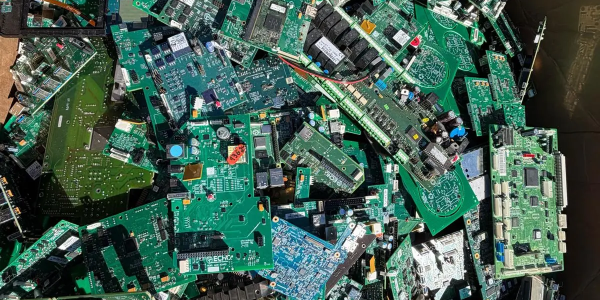
State regulations prohibit electronic waste from going into landfills due to the hazardous materials and recoverable metals they contain.
Here’s what that means and why it matters.
📜 California’s Electronic Waste Laws Explained
California was the first state in the U.S. to pass comprehensive electronic waste legislation.
Under the Electronic Waste Recycling Act of 2003 (SB 20) and related hazardous waste regulations:
-
Electronics containing certain components cannot be disposed of in regular trash
-
Covered Electronic Waste (CEW) must be recycled through authorized facilities
-
Devices with hazardous materials are banned from landfill disposal
These laws exist to prevent environmental contamination and promote responsible material recovery.
🔌 What Counts as Electronic Waste?
In general, if it has a plug, battery, or circuit board, it should not go into the trash.
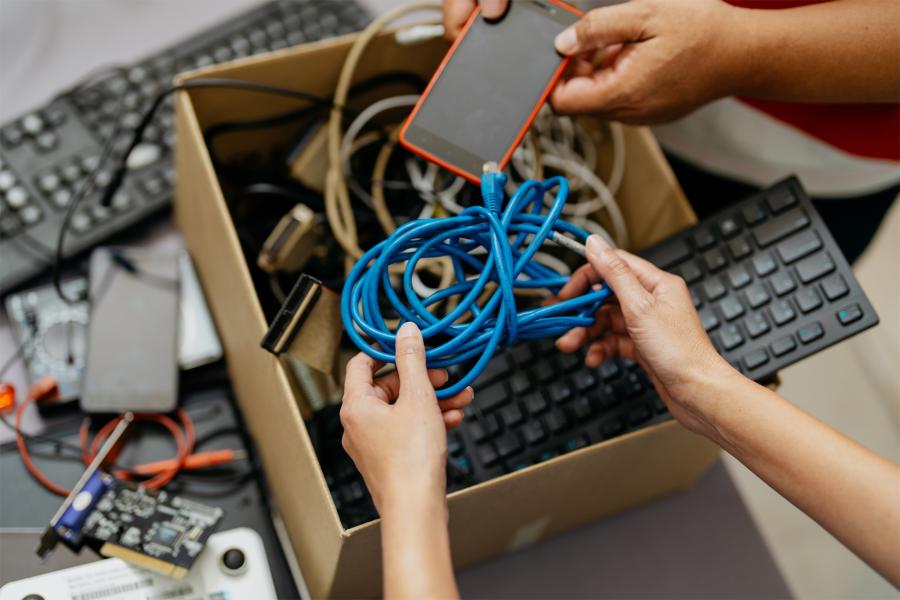
Common examples include:
-
Televisions (LCD, LED, plasma, CRT)
-
Computer monitors
-
Desktop computers and laptops
-
Tablets and smartphones
-
Printers and copiers
-
Servers and networking equipment
-
Rechargeable batteries
-
Small appliances with electronic controls
Even smaller electronics may contain regulated components that make landfill disposal illegal.
⚠️ Why Electronics Are Banned from Landfills
Electronics contain materials such as:
-
Lead
-
Mercury
-
Cadmium
-
Chromium
-
Flame retardants
-
Copper and other heavy metals
When these materials break down in landfills, they can:
-
Leach into soil and groundwater
-
Contaminate drinking water
-
Harm ecosystems and wildlife
California law prevents this by requiring proper recycling instead of landfill disposal.
🏢 What About Businesses?
For businesses, compliance is even more important.
Improper disposal of electronics can result in:
-
Regulatory violations
-
Environmental penalties
-
Liability exposure
-
Data security risks
Organizations are expected to use responsible recycling channels, especially when disposing of devices that may contain sensitive information.
🔐 Data Risks from Improper Disposal
Throwing electronics into dumpsters doesn’t just create environmental issues — it creates security risks.
Old devices can still contain:
-
Personal data
-
Financial information
-
Client records
-
Healthcare data
-
Internal company files
Improper disposal increases the risk of data breaches and identity theft.
Responsible recycling ensures devices are handled appropriately and sensitive data is destroyed.
♻️ The Correct Way to Handle Old Electronics
Instead of placing electronics in regular trash:
-
Bring them to an authorized electronics recycling facility
-
Use certified recycling programs
-
Ensure devices are properly wiped or destroyed if they contain data
California’s laws are designed to protect public health, preserve natural resources, and keep hazardous materials out of landfills.
Electronics don’t belong in the trash, they belong in proper recycling systems.