


Is it illegal to throw away electronics in California? Yes, for most of them. Discarded electronics that contain toxic materials are managed as hazardous universal waste, and no home or business may put universal waste in the trash. All batteries and fluorescent lamps are covered too. Take them to a recycler, collector or household hazardous waste program instead.
Below you'll find the actual legal test, a table of common items, how the rules differ for households and businesses, and free places to take electronics in San Diego County. This is general information, not legal advice.
When is it illegal to throw away electronics?
Whether it's illegal to throw away electronics turns on one question. Is the discarded device hazardous waste? Under California's universal waste rules, an electronic device that is hazardous because of its toxic content can be managed as universal waste. By contrast, a device that isn't hazardous waste falls outside those rules. A used device becomes waste on the day you discard it (22 CCR 66273.3).
Households don't need labels, training or paperwork. That exemption has a condition, though. You must not dispose of the waste, and you must send it to a collector, recycler or household hazardous waste program (22 CCR 66273.8).
CalRecycle's advice to consumers is blunt: "Do not throw electronic devices in the trash!" The same page adds that it's illegal to dispose of hazardous waste in the garbage. For the wider picture, including the state fee and business duties, see our guide to California e-waste laws.
Can you put electronics in the trash in California?
Not the common ones. The table sorts everyday items by what the rules and CalRecycle say.
| Item | Can it go in the trash? | Why |
|---|---|---|
| TVs and monitors (CRT, LCD, LED, plasma, OLED) | No | CalRecycle names them. Electronic devices and CRTs are both universal waste categories |
| Laptops, tablets, computers, phones and printers | No | Named on CalRecycle's list of devices not to trash |
| Radios, VCRs, microwave ovens and cordless phones | No | Also on CalRecycle's list |
| All batteries, including AA and button cells | No | Batteries are universal waste and CalRecycle bans all of them from the trash |
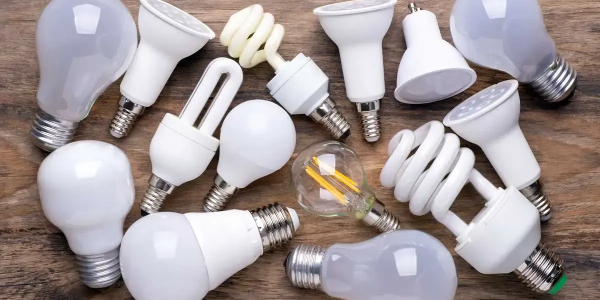
| Fluorescent tubes and CFLs | No | Lamps are universal waste and CalRecycle bans fluorescent lamps from the trash |
| Cables, chargers and small gadgets | It depends on the item | Not named on CalRecycle's list. Recycle them anyway |
| Fridges, washers and other major appliances | Different rules | Major appliances are not electronic devices under the regulation |
Batteries, in particular, cause the most trouble. Putting batteries in the trash is never allowed in California, whatever the type. We take cables and chargers free at all six of our locations.
Can I throw a TV in the trash in California?
No. A TV is both an electronic device on CalRecycle's list and a covered electronic device under the state recycling program, which includes any video display with a screen greater than 4 inches (CalRecycle). Old tube TVs are a separate universal waste category of their own. Like other electronics, it stays out of the trash, so bring the set to a recycler instead.
Not everything with a plug is legally banned
You may have read that it's illegal to throw away any electronics with a plug, battery or circuit board. That goes further than the law. The legal question is whether the item is hazardous waste. A plain lamp cord or a toaster isn't on CalRecycle's list, and the regulation excludes major appliances and devices recycled as scrap metal (22 CCR 66273.9).
So why recycle those items anyway? Because nobody can tell at home which devices would test as hazardous. Recycling them also recovers metal that would otherwise be buried. Our own rule of thumb is simple. If it has a plug, a battery or a cord, bring it to us and we'll sort it.
Why is it illegal to throw away electronics?
It's illegal to throw away most electronics because they hold materials that don't belong in a landfill. Old picture tubes have lead in the glass, fluorescent lamps contain mercury and circuit boards carry a mix of metals. That's why CRTs, CRT glass and lamps each have their own universal waste category.
In addition, batteries bring a second problem. CalRecycle warns that batteries thrown in the trash cause fires in garbage trucks and at sorting facilities, and that workers get hurt. Keeping batteries and devices out of the bin protects the people who handle your garbage.
Are the rules different for households and businesses?
The ban on putting electronics in the trash is the same for both. What changes, however, is the paperwork.
| Households | Businesses | |
|---|---|---|
| Can it go in the trash? | No | No |
| Labels on stored items | Not required | Required for universal waste handlers |
| Storage time limit | Not required | One year from the date it became waste |
| Staff training | Not required | Required for staff who manage or supervise it |
| Shipment records | Not required | Kept for three years |
Very small quantity universal waste generators get the same exemption as households, on the same condition. They may not dispose of the waste and must send it to a handler, transporter, destination facility or curbside program. Whether a business qualifies depends on all its hazardous waste, so check with DTSC or the County of San Diego. Our guide to universal waste rules for California businesses covers every duty.
What happens if you put electronics in the trash?
CalRecycle states plainly that disposing of hazardous waste in the garbage is illegal. We don't quote fines here, because we only publish figures we've confirmed with official sources. If you've trashed a device in the past, the useful step now is to recycle the next one. Businesses should take the rules more seriously, since they also carry the handler duties above.
The fee you paid isn't a disposal fee
You may have paid a state e-waste fee when you bought your TV, laptop or tablet. That fee is collected at checkout and funds payments to approved collectors and recyclers. It doesn't pay for trashing the item. Even with the fee paid, it's still illegal to throw away electronics that fall under the ban. Since 2026 a similar fee applies to many products with built-in batteries. CDTFA explains the California electronic waste recycling fee and lists the current amounts.
Wipe data before you let go
Old phones, laptops and hard drives can still hold photos, passwords and financial records. Back up what you want, then sign out of your accounts. When you recycle with us, every data-bearing device is wiped and data-destroyed by default.
Where to take electronics in San Diego
Instead of putting electronics in the trash, bring them to one of Dream E-Waste's six locations, with no appointment needed. Our recycling centers are in Point Loma, Chula Vista and San Marcos. Our drop-off locations in Miramar, Kearny Mesa and Oceanside take electronics only. See addresses and hours on our free e-waste drop-off in San Diego page.
There are also public options. The City of San Diego says its Miramar Recycling Center accepts most electronic devices (call 858-268-8971 for items and fees). Its household hazardous waste facility takes household batteries, fluorescent bulbs and mercury devices by appointment. Businesses can call the County Department of Environmental Health at (858) 505-6700.
However, we don't accept loose damaged, swollen or leaking batteries. Instead, take those to the City's Miramar Recycling Center, by appointment through the City website. Batteries still inside a device are fine to bring to us.
Frequently asked questions
Can I put a TV on the curb in San Diego?
It's best not to. A TV is e-waste, and CalRecycle tells consumers not to put electronic devices in the trash. A set left at the curb can end up in a garbage truck. Bring it to any of our six locations, or book a free pickup if you have 5 or more computing devices such as TVs, computers and monitors.
Can I throw away batteries in California?
No. All batteries are universal waste in California, including AA, AAA and button cells, and CalRecycle bans every type from the trash. Keep them in a separate bag or box when you bring them in. Our guide to batteries in the trash explains each type. Damaged or swollen batteries go to the City's Miramar Recycling Center by appointment.
Is it illegal to throw away a phone charger?
Probably not, but recycle it anyway. Chargers and cables aren't named on CalRecycle's list of devices not to trash, and the legal test depends on whether an item is hazardous waste. Besides, the metal inside is worth recovering. We take chargers, cords and cables free at all six of our San Diego County locations.
Do I have to pay to recycle electronics?
Usually not. Most electronics are free to drop off at our locations, including TVs, computers, phones and cables. A small fee applies to a few items, such as single-use batteries, fluorescent bulbs and some appliances. Each item's page lists it, for example our battery recycling page.
Does the trash ban apply to small businesses?
Yes. The trash ban applies to every business, whatever its size. A very small quantity generator may skip the handler duties such as labels and training, but only if it sends the waste to a handler or recycler and never disposes of it. Ask DTSC or the County of San Diego if your business qualifies.


One Comment
Comments are closed.