 By
By
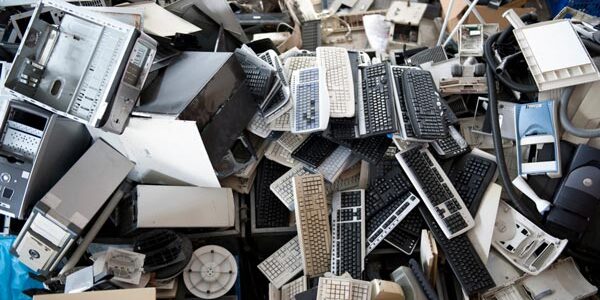
Electronic waste, also called e-waste, is one of the fastest-growing types of waste today. Old phones, laptops, computers, TVs, monitors, printers, chargers, cables, servers, and office electronics are replaced more often than ever before.
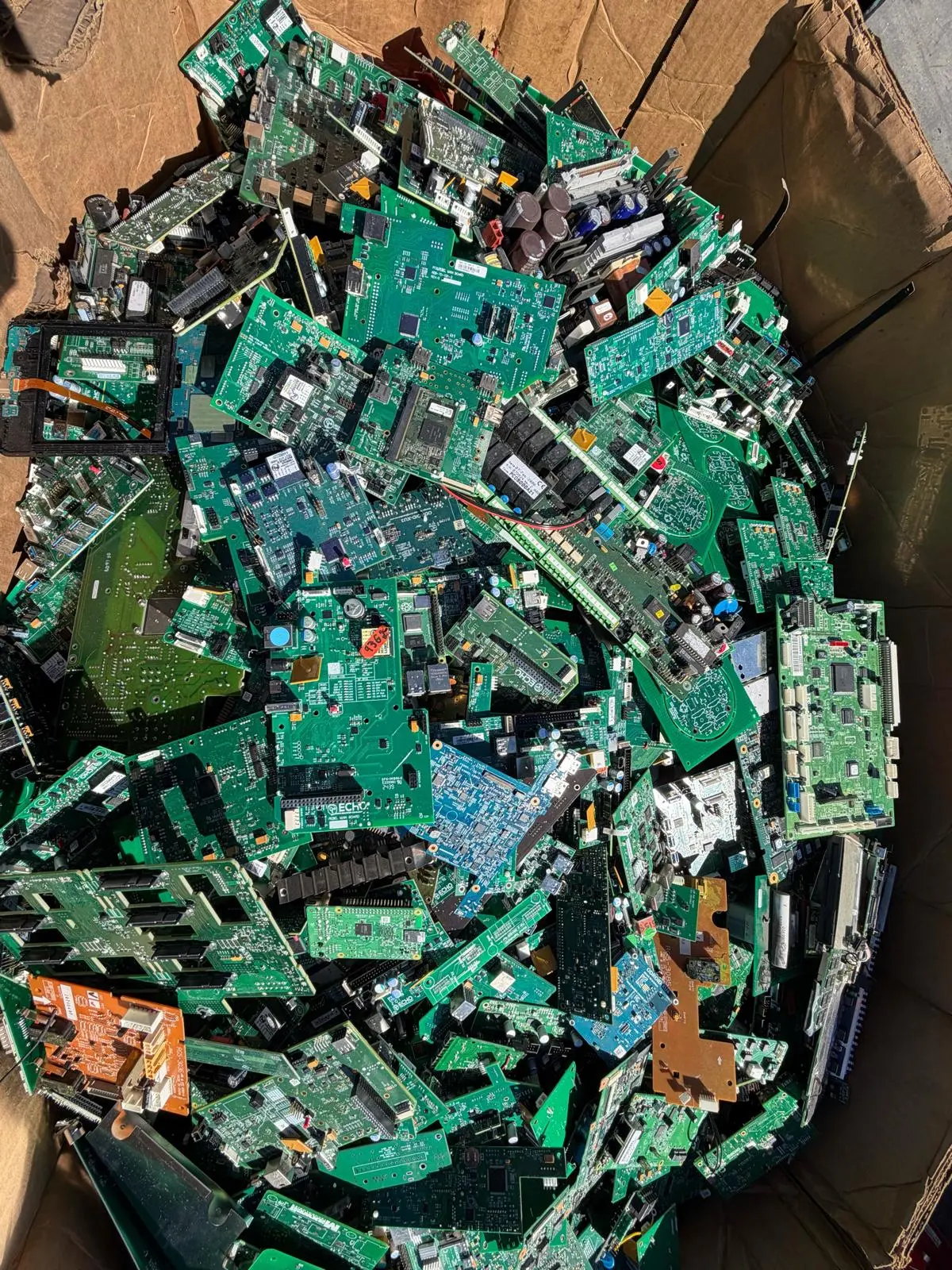
As technology becomes a bigger part of everyday life, more devices eventually become outdated, broken, or unused. The problem is that electronics should not be treated like regular trash. Many devices contain reusable parts, recoverable materials, batteries, circuit boards, and sometimes sensitive personal or business data.
The good news is that e-waste can be handled responsibly through reuse, recycling, and proper data destruction.
What Is E-Waste?
E-waste is any unwanted electronic device or electrical equipment that is no longer being used.
Common examples include:
- Computers and laptops
- TVs and monitors
- Cell phones and tablets
- Printers
- Servers and networking equipment
- Cords, chargers, and cables
- Keyboards and mice
- Small electronics
- Office electronics
A simple rule is: if it has a cable, plug, or battery, it is usually considered e-waste.
Why Is E-Waste Growing So Fast?
There are a few major reasons e-waste keeps increasing.
1. People Replace Electronics More Often
Phones, laptops, computers, and other devices are commonly replaced every few years. Sometimes the device is broken, but sometimes it still works and is replaced because a newer model is available.
2. Technology Becomes Outdated Quickly
Software updates, slow performance, battery problems, broken screens, and compatibility issues can make electronics feel outdated faster than before.
3. Homes and Businesses Use More Devices
Most households now have multiple phones, laptops, tablets, TVs, monitors, routers, chargers, and smart devices. Businesses also rely on computers, servers, printers, networking equipment, and office electronics every day.
4. Repair Is Not Always Easy
In many cases, repairs can be expensive or inconvenient. When repairs cost too much, people often replace the item instead.
5. Businesses Create Large Amounts of E-Waste
Office cleanouts, IT upgrades, school technology refreshes, warehouse cleanups, and company moves can create a large amount of old electronics at once.
Why E-Waste Should Be Recycled Properly
Electronics contain materials that can often be reused or recovered. When old electronics are thrown away, those materials are wasted.
Responsible e-waste recycling helps:
- Keep electronics out of landfills
- Recover useful materials
- Support reuse when possible
- Reduce unnecessary waste
- Protect personal and business data
- Keep batteries and electronic components handled properly
Recycling is especially important for items like computers, laptops, servers, hard drives, phones, and tablets because they may contain sensitive data.
Reuse Comes Before Recycling
Not every old electronic device needs to be recycled immediately. Some items can be reused, repaired, refurbished, resold, donated, or used for parts.
Reuse gives electronics a second life and helps reduce waste. Recycling is the next step when an item is broken, outdated, incomplete, or no longer practical to reuse.
What Can You Do With Old Electronics?
Instead of throwing old electronics in the trash, you can:
- Drop them off at an electronics recycling facility
- Schedule a pickup for qualifying loads
- Recycle broken or outdated devices
- Reuse or donate working electronics
- Ask about data destruction for computers and storage devices
- Keep cords, chargers, and accessories with the devices
If you are recycling computers, laptops, servers, hard drives, SSDs, phones, or tablets, make sure to consider data security before recycling.
Electronics Recycling for Businesses
Businesses should have a plan for old electronics, especially when dealing with computers, servers, hard drives, and IT equipment.
A responsible business e-waste plan should include:
- Recycling old computers and monitors
- Proper handling of servers and networking equipment
- Data destruction for hard drives and SSDs
- Certificates of Destruction when needed
- Pickup for larger quantities of electronics
- Responsible recycling for broken or outdated equipment
Dream Electronic Recycling offers business e-waste pickup for qualifying loads in San Diego County. Free pickup may be available when the load includes computers, laptops, monitors, servers, networking equipment, hard drives, or other qualifying electronics.
Items That May Have Recycling Fees
Most standard electronics are accepted for free, but some specialty items may have recycling fees because they require extra handling or special processing.
Items that may have fees include:
- Alkaline batteries
- Toner and ink cartridges
- Fluorescent bulbs
- Large appliances
- Oversized printers
- Copiers and plotters
- Paper shredding
- Certain large or difficult-to-handle items
Questions About Specialty Items?
Most electronics with a cable, plug, or battery can be recycled with Dream Electronic Recycling. If you have specialty items, oversized equipment, batteries, or anything unusual, please call ahead so our team can confirm the best option before drop-off or pickup.
Recycle E-Waste With Dream Electronic Recycling
E-waste is growing fast because technology is everywhere and electronics are replaced more often than ever before. But old electronics do not have to end up in landfills.
Dream Electronic Recycling helps San Diego County residents and businesses recycle electronics responsibly. We accept most items with a cable, plug, or battery and offer electronics drop-off, business e-waste pickup, data destruction, and Certificates of Destruction for qualifying devices.
Whether you have old computers, laptops, TVs, monitors, phones, cords, printers, servers, or office electronics, Dream Electronic Recycling can help.
Call: (619) 889-1305
Website: dreamewaste.com
Services: Electronics recycling, e-waste drop-off, business pickup, IT asset recycling, and data destruction in San Diego County.