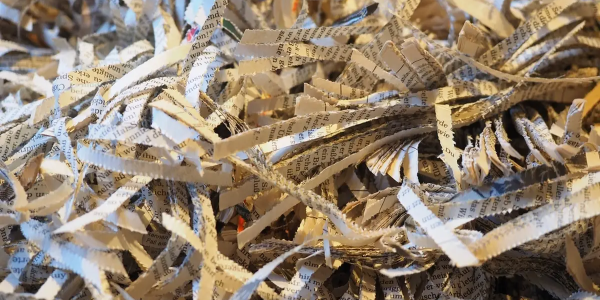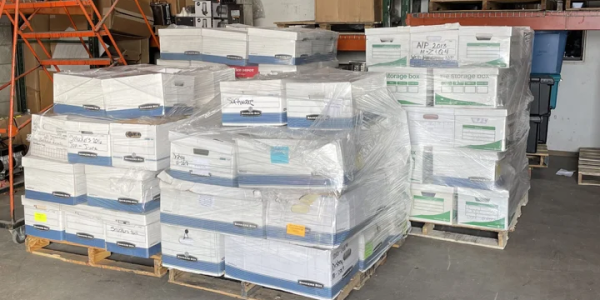

What documents should you shred? Any paper you no longer need that shows your Social Security number, account numbers, signature, date of birth, passwords or medical details. That covers old bank and card statements, paid bills, checked pay stubs, pre-approved credit offers and expired IDs. Keep birth and marriage certificates, Social Security cards, deeds and titles.
This guide sorts paper into a few simple piles: shred now, shred after a wait, and keep. Each time frame comes from the Federal Trade Commission (FTC) or the IRS, so you can see where the advice comes from. Then it covers the practical part, which shredder is good enough and what to do with a whole box.
The simple rule for what to shred
If a stranger could use a paper to open an account, file a tax return in your name or pass as you, shred it. Look for your Social Security number, a bank or card account number, your signature, your date of birth, a password or PIN, or details about your health and insurance.
The FTC makes the same point in its pack rat's guide to shredding. Destroying documents that carry your personal information lowers the chance of identity theft. That is the whole reason to shred. It isn't about fear. It is about making a stranger's job much harder.
So when people ask what papers should you shred, the honest answer depends less on the type of document and more on what is printed on it. For example, a plain store flyer can go in the recycling. A flyer pre-filled with your name and a credit offer should be shredded.
Documents you should shred
Most of the paper that piles up at home falls into one of three groups. Use the lists below as a checklist when you wonder what personal documents you should shred, and when.
Documents to shred as soon as you are done
- Credit card and utility bills, once you have paid them.
- Sales receipts, unless you need them for a warranty, taxes or insurance.
- Pre-approved credit card and insurance offers.
- Expired driver's licenses, ID cards and old credit or debit cards. If your shredder can't take cards, cut through the chip and the number with scissors.
- Boarding passes and travel papers with booking codes.
- Prescription labels and pharmacy paperwork.
- Junk mail that shows your name next to an account number or a barcode.
The first two come straight from the FTC guide. The rest are also common sense, because each one carries a number or detail tied to you.
Documents to shred after a waiting period
The FTC suggests shredding bank statements, pay stubs and medical bills after one year, unless you have an unresolved insurance dispute. Pay stubs can usually go sooner, once you have checked them against your W-2.
Tax papers, however, wait longer. Receipts, cancelled checks and other records behind a return should stay until the IRS period for that return has passed. That is three years in the normal case and longer in a few situations. The FTC suggests seven years for records such as cancelled checks. Our guide on how long to keep documents lists each period with its source.
Documents to shred at work
Offices build up the same kind of paper, but more of it. Client and customer files, HR and payroll records, invoices and contracts all need shredding once their retention period ends.
Some of this is a legal duty. Under the FTC Disposal Rule (16 CFR part 682), a business that holds consumer report information must take reasonable measures when it disposes of it. Shredding papers so they can't practicably be read or reconstructed is the example the rule gives. Our page on paper shredding in San Diego summarizes the related business rules, including FACTA and GLBA.
Documents to keep, not shred
Knowing what documents to keep and what to shred matters as much as the shred list. After all, if you shred the wrong paper, it can take weeks to replace.
- Keep for good. Birth certificates, Social Security cards, marriage and divorce decrees, and death certificates.
- Keep while you own the property. Car titles and home deeds.
- Keep until you sell the home. Receipts for home improvements.
- Keep your tax returns. The FTC says it's best to keep these forever, even after you shred the supporting papers.
Keep doesn't mean a shoebox in the garage. Store originals in a locked, fire-resistant box or a safe, and tell someone you trust where it is. Scans are handy for reference, but keep the originals of certificates and titles too.
The keep or shred table
Use this table to check which documents to keep and which documents to shred. Where the FTC and the IRS give different answers, both are shown. Rows marked general advice are common practice rather than a rule from either agency.
| Document | Keep or shred | How long | Source |
|---|---|---|---|
| Birth and death certificates | Keep | Forever | FTC |
| Social Security card | Keep | Forever | FTC |
| Marriage and divorce decrees | Keep | Forever | FTC |
| Car titles and home deeds | Keep | While you own the property | FTC |
| Home improvement receipts | Keep, then shred | Until you sell the home | FTC |
| Tax returns | Keep | Best kept forever (FTC). IRS minimum is 3 years | FTC, IRS |
| Records for a home or other property | Keep, then shred | Until the IRS period ends for the year you sell it | IRS |
Documents to shred, and when
Everything below is a document to shred, either right away or once its waiting period ends. When in doubt, keep tax papers until the IRS period is over, then shred documents in one batch.
| Document | Keep or shred | How long | Source |
|---|---|---|---|
| Supporting tax records, such as receipts and cancelled checks | Shred after a wait | FTC suggests 7 years. IRS minimum is 3 years, or 6 or 7 in some cases | FTC, IRS |
| Employment tax records, for employers | Shred after a wait | At least 4 years after the tax is due or paid | IRS |
| Bank statements | Shred after a wait | 1 year, unless needed for taxes or an insurance dispute | FTC |
| Pay stubs | Shred after a wait | Once checked against your W-2 | FTC |
| Medical bills | Shred after a wait | 1 year, unless an insurance dispute is open | FTC |
| Credit card bills | Shred | Once paid | FTC |
| Utility bills | Shred | Once paid | FTC |
| Sales receipts | Shred | Right away, unless needed for a warranty, taxes or insurance | FTC |
| Pre-approved credit and insurance offers | Shred | Right away | General advice |
| Expired IDs and old cards | Shred | Once replaced | General advice |
This table covers household papers. For business, medical and legal records, see our full guide on how long to keep documents.
How to shred documents safely
Once the pile is sorted, the next question is how to shred documents so the pieces can't be read. The type of cut matters more than the brand of shredder.
Cross-cut vs strip-cut shredders
- Strip-cut machines slice each page into long, thin strips. A strip can hold a whole line of text, so a patient person could read the strips or piece a page back together.
- Cross-cut machines cut in both directions and turn a page into small pieces. As a result, lines of text are broken up.
- Micro-cut machines make the smallest pieces, close to confetti.
For documents to shred with an account number, a Social Security number or a signature, use cross-cut or smaller. On the other hand, strip-cut is fine for plain paper you just don't want lying around. It isn't the right tool for bank statements.
If a strip-cut shredder is all you have, mix the strips from different pages in one bag so the pieces of one page don't sit together.
When a home shredder is enough
A home shredder works well for a small household that shreds a few pages a week. Open the mail, shred the offers and other documents to shred right away, and the job never builds up.
It gets harder with volume, though. Most home machines take only a few sheets at a time and need staples and clips removed. Many also need a rest to cool down after a stretch of steady use. A single banker box of documents to shred can take an afternoon.
When a shredding service is easier
A box or more of documents to shred, a move, an estate cleanout or an office purge is usually quicker with a service. In San Diego County you have a few options.
- Shredding companies, which can pick up boxes for a one-time purge or set up a locked bin for regular collection.
- Shipping and print stores that shred smaller amounts over the counter.
- Free community events. Dream runs free community recycling events across the county, and shredding is part of several of them.
Costs vary with volume and the type of service, so ask for a quote before you book. Keep your home shredder for the small, steady stream once the big clear-out is done.
Methods that don't work
Tearing documents by hand instead of using a shredder leaves big pieces with whole lines intact. Putting unshredded statements in the recycling bin hands them to anyone who looks. Burning paper in a backyard can break local rules, so check before you try it. A cross-cut shredder or a shredding service does the job properly.
Before you shred documents, sort the box
A few minutes of sorting saves you from shredding something you need.
- Pull out anything on the keep list, plus originals you still need, such as a will, a recent tax return or a title.
- Flip through each folder for things that shouldn't be destroyed, such as photos, cash or uncashed checks.
- Take out what a shredding service can't handle. Dream's paper shredding page lists wet or water-damaged paper, plastic folders and sheet protectors, binders and lever-arch files, hanging file folders, X-rays and film, cardboard boxes and food waste.
- Leave the staples if a service is doing the work. Dream's page says most staples, paper clips and small binder clips can stay attached. At home, remove them first.
- For an estate or a business, write a short list of what went into each box and the date. It helps if anyone asks later.
After you shred
Once you shred documents, the shreds are still paper, but they don't behave like whole sheets in a recycling program. Small pieces are hard to sort, so many programs ask you to bag them first. Our guide to shredded paper disposal covers the City of San Diego blue bin rule, composting and other uses.
Medical, legal and other regulated records
Medical practices, law firms and other regulated offices have their own rules on how long to keep records and how to destroy them. Their list of documents to shred is longer, and the proof of destruction matters more.
For health records, the US Department of Health and Human Services treats paper as destroyed only when it has been shredded or destroyed so the protected health information can't be read or otherwise reconstructed. Redaction alone doesn't count. The guidance was published in the Federal Register in 2009. More guides for offices are in our paper shredding and document security section.
Don't forget the same information on old devices
The same statements, scans and tax files often live on old phones, laptops, external drives and office copiers. Shredding the documents while an old hard drive sits in a drawer leaves the data exposed. Our guide to destroying data on drives and devices explains the options.
Dream can handle paper shredding, electronics recycling and hard drive destruction in one scheduled visit. Every data-bearing device Dream takes in is wiped and data-destroyed by default.
Where to shred a big pile in San Diego
Got more paper than your shredder can handle? Dream can shred documents for homes and businesses across San Diego County. A one-time purge handles anything from a few banker boxes to a full storage room. Offices that produce paper every week can set up scheduled service with a locked console or bin, a key and scheduled swaps.
After shredding, the paper is baled and sent for recycling, and a Certificate of Destruction is available on request. See paper shredding in San Diego to book or ask a question.
Frequently asked questions
Should I shred envelopes and junk mail?
Shred anything with an account number, a pre-filled credit or insurance offer, or a barcode linked to your accounts. A plain envelope with only your name and address is low risk, and many people recycle those. It is a judgement call, so shred it if you're unsure. One more envelope takes a few seconds.
Is it safe to throw away old bank statements?
Not without shredding them first. Old bank statements are documents to shred, not trash. A bank statement shows your name, address and account number, which is exactly what a fraudster wants. The FTC suggests shredding statements after one year unless you need them for taxes or an insurance dispute. Use a cross-cut shredder, then recycle the shreds the way your city asks.
What should I do with a deceased parent's papers?
Keep what the estate needs first, including certificates, tax returns, deeds, titles and recent account statements. Ask the estate's attorney or tax preparer before you shred the rest, because final tax returns can rely on older papers. Once they agree, shred what is left. A one-time shredding purge helps when there are many boxes.
Can I shred papers with staples and paper clips?
At home, take them out first, because most home shredders jam or wear out on metal. Services usually handle them. Dream's paper shredding page says most staples, paper clips and small binder clips can stay attached, so boxes can come as they are. Binders, hanging folders and plastic sleeves still need to come out.
Do I need a certificate when I shred?
Households rarely need one when they shred documents at home. A business should keep proof of destruction for its records, especially if it holds customer, patient or employee files. Dream provides a Certificate of Destruction on request, which documents that your records were destroyed and the date. Ask for it when you book so it is ready with the job.