

How to get rid of old appliances comes down to condition. Sell or donate anything that still works, or ask the store to take the old one when the new one arrives. Take broken units to an appliance recycler. Never leave one on the curb, and have the refrigerant, gas and water dealt with first.
Below are the routes, the prep every route needs and the San Diego rules that change the answer. Dream E-Waste runs two recycling centers that take large appliances, so we also say plainly what we accept and what we don't.
Appliance disposal options at a glance
The best way to get rid of old appliances depends on your situation. Find yours in the table, then read the section that goes with it.
| Situation | Best route | What it costs | What to do first |
|---|---|---|---|
| It still works | Sell it or donate it | Free | Call the charity first and clean it |
| You're buying a new one | Store haul-away on delivery | Ask the store | Book it when you order |
| Broken washer, dryer or stove | Appliance recycler | Free or a small fee | Disconnect gas, water or wiring |
| Small countertop items | E-waste or appliance recycler | Usually free | Empty it and take out loose batteries |
| Fridge, freezer or AC unit | Technician, then a recycler | Ask the technician for a quote | Get the refrigerant recovered and keep the tag |
| Too heavy to move, or several at once | Recycler pickup or a junk hauler | Ask for a quote | Disconnect it and clear a path |
| Metal only, no electrical parts | Scrap metal recycler | Varies by yard | Strip off plastic and wood |
The last row matters more than people expect. Appliance recyclers only take things that plug in or have electrical parts. For a grill frame, metal shelving or a bare tank, our guide to scrap metal recycling explains each metal and where it goes.
Sell or donate an appliance that still works
A working washer or stove is worth more to another household than to a recycler. So selling or giving it away is the best way to get rid of old appliances that still run. The City of San Diego recycling FAQ suggests donating appliances that still work, or only need a minor repair, to a local charity or thrift store.
Call before you load anything. Charities set their own rules on age, size and type, and some can't take large appliances at all. Ask whether they pick up or need you to drop off, and whether they want to see it running.
Selling online works best for newer units in good shape. Expect a few no-shows, and price it to move rather than to make money. Keep it in the garage while you wait. An appliance left out on the curb is dumping in the City's eyes, even if you meant it as a giveaway.
If it just needs a part, get a repair quote before you give up on it. A door seal or a belt is often cheap. A dead compressor or a cracked drum usually isn't worth fixing.
Ask the store to take it when you buy a new one
If you're replacing appliances, the delivery crew is often the easiest way to get rid of the old ones. The City's FAQ says the same thing: ask the store to remove your old appliance when it delivers the new one.
Retailers set their own terms. Haul-away is usually tied to delivery of a similar new unit, and some stores charge for it. Ask when you order, not on delivery day. Check whether the crew will disconnect the old one or expects it ready to go.
This is also the best route for a built-in refrigerator. We aren't set up to take built-in fridges, so ask the company installing the new one to take the old one away.
Recycle old appliances with an appliance recycler
When old appliances are broken, or nobody wants them, recycling is the right way to get rid of them. A good recycler takes out the parts that need special handling first. At Dream that means compressor oil, capacitors, mercury switches and batteries. The rest is dismantled into steel, copper, aluminum, plastics, glass and circuit boards, and each stream goes to a processor that can use it.
We may assess working units with useful life left for reuse before we take anything apart. Broken units go straight to material recovery. Condition doesn't change what we charge. We accept every brand, from Whirlpool and GE to Sub-Zero and Miele, because the materials are the same underneath.
Some appliances are electronics in the eyes of the state, too. CalRecycle lists microwave ovens among the electronic devices you should not throw in the trash.
What appliance recycling costs at Dream E-Waste
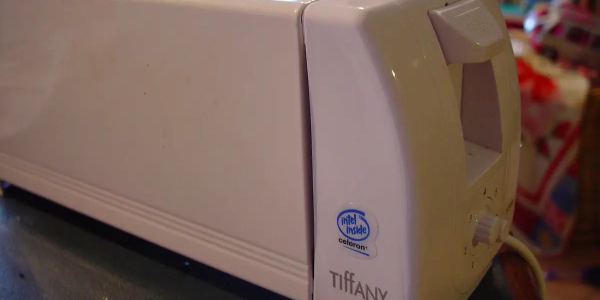
Small appliances recycle free. That covers toasters and toaster ovens, blenders, air fryers, coffee makers, kettles, fans and hand vacuums, with no quantity limit. A short list of larger items carries a small fee each, because they need special handling and cost more to process downstream.
- Microwaves, full-size vacuums, and carpet and steam cleaners
- Mini fridges, beverage coolers and countertop ice makers, once the refrigerant is out
- Large appliances such as washers, dryers, ovens, stoves, dishwashers and lawnmowers
- Satellite dishes and home gym equipment
Our appliance recycling page lists every item with its fee. Standard electronics stay free. For the wider picture across TVs, computers and the rest, see what is free and what has a fee.
Large appliance recycling
Washers, dryers, ranges, cooktops, dishwashers, trash compactors and garbage disposals all count as large appliances. So do water heaters, furnaces and HVAC air handlers, which many recyclers turn away. We take them, with one exception. Some furnaces and water heaters made before 1980 may contain asbestos, and those must go to a licensed asbestos removal company.
Large appliances, mini fridges and microwaves go only to our Point Loma and Chula Vista recycling centers. Both are open Monday to Saturday, 8:00 AM to 4:00 PM, and no appointment is needed. Our San Marcos center takes microwaves but not large appliances. The Miramar, Kearny Mesa and Oceanside drop-off locations take electronics only.
Fridges, freezers and AC units need one extra step
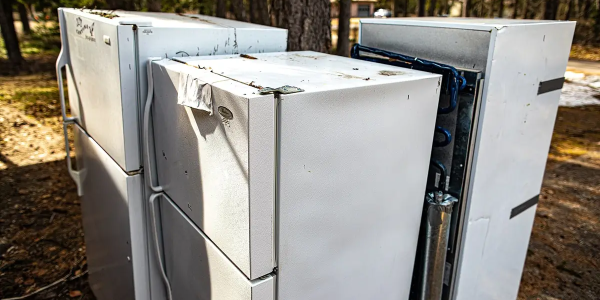
Anything that cools has refrigerant inside. That includes fridges, freezers, mini fridges, wine coolers, window and portable AC units and dehumidifiers. Under Clean Air Act Section 608, the refrigerant has to be recovered before the appliance is scrapped, and the EPA's safe disposal rules make the final facility in the chain responsible for checking.
Dream doesn't recover refrigerant. Have an HVAC or appliance technician recover it and give you a signed certification tag. Then bring the unit and the tag to Point Loma or Chula Vista. We turn away units that still hold refrigerant.
Thinking of doing it yourself? Our answer to can you remove Freon from a refrigerator explains who can do the job, what the paperwork should show and the routes that handle it for you.
Appliance disposal options in San Diego
National guides on how to get rid of old appliances tell you to call your city for a bulky item pickup. In the City of San Diego, there isn't one to book. In a release dated June 8, 2026, the City said its approved fee changes eliminate funding for several planned service enhancements, including weekly recycling collection and bulky item pickup.
The City's recycling FAQ points residents to WasteFreeSD.org to find appliance recyclers. It notes that several companies recycle appliances for free or a nominal fee, and it says plainly that dumping is illegal.
Two City facilities won't take a whole appliance either. The Miramar Landfill fees page says appliances must be properly disposed of before entering the landfill. The City's household hazardous waste program lists appliances among the items it does not accept, and it doesn't take refrigerant gases.
Outside the City of San Diego, the rules depend on your own city and its waste hauler. If you live in Chula Vista, Escondido or the unincorporated county, check your city's waste page for bulky item rules before you plan around them. City of San Diego residents with a question about their own address can call the Environmental Services Department at 858-694-7000.
Before anyone takes it
Recyclers, haulers and charities all refuse appliances that arrive half connected or still full of fuel. A little prep before you get rid of old appliances saves a wasted trip.
- Gas appliances. Gas ranges, dryers, water heaters and furnaces need the gas shut off and disconnected by a licensed plumber or HVAC technician. This is not a DIY job.
- Water lines. Washers and dishwashers need the water supply shut off, the supply lines disconnected and the drain line pulled.
- Hardwired units. Some ovens, cooktops and dryers are wired into a junction box. That's work for an electrician. Plug-in appliances just need unplugging.
- Fuel and oil. Lawnmowers, trimmers, blowers and pressure washers must be completely drained.
- Refrigerant. Cooling appliances need the refrigerant recovered and the technician's tag.
- Empty and clean. Take out food, water, lint and loose parts. We refuse items with mold, pests or chemicals on them.
- Loose batteries. Take removable batteries out of cordless items and keep them separate.
- Big loads. Call first if you're bringing several appliances at once. Large drop-offs need approval.
What a recycler will turn away
These are the things we can't accept at Dream. Most recyclers have a similar list, mostly for safety reasons.
- Fridges, freezers and AC units that still hold refrigerant
- Built-in refrigerators
- Anything that still has gas or oil in it
- Oil-filled heaters and radiators
- Appliances that are leaking
- Swollen, cracked or leaking batteries, which turn up in robot vacuums and cordless tools
- Older furnaces and water heaters that may contain asbestos
- Dirty or contaminated items
- Factory and industrial machines
- Items with no electrical parts, such as cabinets and countertops
A damaged battery that is loose can't come to us. Take it to the City of San Diego Miramar Recycling Center, by appointment through the City's website. Our guide on how to dispose of a swollen battery covers how to store it safely until then.
Get rid of old appliances that are too heavy to move
Not everyone has a truck or a strong friend to help get rid of old appliances. Dream offers appliance pickup across San Diego County, for one appliance or several. An outside contract driver handles it.
Send your name, pickup address and phone number, plus the appliance type, how many there are and which floor they're on. The driver contacts you directly to schedule and confirm the cost. Mention stairs, narrow halls or a basement laundry room up front.
Pickup still needs the same prep. Drivers collect and load, but they can't break gas or plumbing connections.
Junk haulers are the other option. Before you book one, ask what happens to the refrigerant in a fridge and whether the appliances are recycled or sent to landfill. Get the quote in writing, and ask whether it covers disconnection or only loading.
If you have a mix of appliances and electronics, say so when you ask. It's often simpler to clear the lot in one visit than to book two.
Other bulky things in the garage
Clearing the kitchen often turns up a box of toasters, kettles and blenders. Our guide to small appliance recycling covers what counts, how to prep them and why they don't belong in the blue cart.
Treadmills, rowing machines and exercise bikes count as large items, and our gym equipment recycling page explains how we handle them. Bikes, e-bikes and scooters can go to Point Loma or Chula Vista too, as long as an e-bike's battery can be removed.
Ready to get rid of old appliances?
To get rid of old appliances, pick the route that fits each one. If recycling is the answer, get any gas, water or refrigerant sorted, check the item list and bring it to Point Loma or Chula Vista. If you can't move it, request a pickup and the contract driver will call you.
Frequently asked questions
Can I leave an old appliance on the curb in San Diego?
No. The City of San Diego says dumping is illegal, and an appliance left out on the curb counts, even with a free sign taped to it. The City also has no bulky item pickup to book. Sell or donate it, ask the store to take it when you buy a new one, or bring it to a recycler.
Is it free to recycle old appliances?
Small appliances usually are. At Dream E-Waste, toasters, kettles, blenders, air fryers, coffee makers and fans recycle free. Microwaves, full-size vacuums, mini fridges and large appliances such as washers and stoves carry a small fee each, because they need special handling. Whether the appliance works or not makes no difference to the fee.
Do I have to disconnect an appliance before pickup?
Yes. Gas lines must be shut off and disconnected by a licensed plumber or HVAC technician. Washers and dishwashers need the water shut off and the lines pulled, and hardwired ovens or cooktops need an electrician. Pickup drivers collect and load, but they can't break those connections for you.
Can I recycle a broken appliance?
Yes. Recyclers recover the metal, motors and circuit boards, so it doesn't matter whether the appliance still runs. At Dream the fee is the same either way. The exceptions are about safety: leaks, fuel or oil still inside, refrigerant that hasn't been recovered, or a swollen battery.
Will a scrap yard take my old washer?
Some will, by weight, if you can haul it there. Call first, because each yard sets its own rules. In our experience, scrap yards generally won't take anything that still holds refrigerant. A fridge or freezer needs its refrigerant recovered and documented before a yard will look at it.