
There are two main types of scrap metal. Ferrous metals contain iron, so a magnet sticks to them (steel and cast iron). Non-ferrous metals have no iron, so a magnet won't hold (aluminum, copper, brass, lead). Sort them apart, strip off plastic or wood where it's easy, and keep sealed tanks, refrigerant and batteries out.
Below are the types of scrap metal that turn up in garages, remodels and office clear-outs, plus how to sort and prepare a load, what recyclers turn away and how to handle it safely. There are no prices here, because buying yards set those and they change often.
What is considered scrap metal?
Scrap metal is any metal item that has reached the end of its use. That covers a lot of ground. For example, at home it's old pots, bed frames, garden chairs, tools and bike parts. On a building job it's pipe, gutters, flashing, wire and offcuts. Then in offices it's shelving, filing cabinets, server racks and computer cases.
Most of it comes from bigger, longer-lived things. The US EPA names durable goods such as appliances, furniture and tires as the largest source of ferrous metal in household waste. In fact, steel cans are one of the success stories, with the EPA putting the steel can recycling rate at 70.9% in 2018. For aluminum, the EPA says the largest source is cans and other packaging, with 3.9 million tons generated in 2018.
Not everything metal counts as simple scrap, though. Instead, metal becomes a special case when something is inside it. Refrigerant in a fridge, fuel in a mower, gas in a cylinder and a battery in a drill all need handling before the metal can go anywhere. Keep that in mind as you sort, because those items cause most of the problems at the receiving dock.
Ferrous and non-ferrous metals, the two main types of scrap metal
All the types of scrap metal fall into one of two groups, and a fridge magnet is the only tool you need to tell them apart.
- Ferrous metals contain iron. Steel, cast iron and wrought iron are the common ones. A magnet sticks firmly. They're also heavy, plentiful and often rusty.
- Non-ferrous metals contain no iron, or very little. Aluminum, copper, brass, bronze, lead and zinc belong here. So a magnet won't stick. They don't rust the way steel does, though copper turns green and aluminum goes dull and chalky.
There's one common catch. Stainless steel is made with iron, so on paper it's ferrous. Many stainless steels are barely magnetic, though, and a magnet may slide right off a sink or a pan. If a silver-colored piece is heavy, shiny and hardly grabs the magnet, it's probably stainless.
Painted or plated metal can also fool you. A magnet tests what's underneath the coating, so test bare metal where you can, such as a cut end or a scratched spot.
However, the trade uses a lot more detail than two groups. ReMA (the Recycled Materials Association, the trade group formerly known as ISRI) publishes the Specifications Circular, which gives guidelines for buying and selling processed scrap. It covers ferrous and nonferrous metals as well as paper, plastics, electronics, rubber and glass. That's where the names on a scrap yard sign come from, such as "light iron" (thin steel like appliance panels) or "bare bright" (clean, uncoated copper wire). You don't need to learn the grades to recycle metal, because they matter mostly if you plan to sell.
Common types of scrap metal
The table lists the types of scrap metal people bring in most often, with a magnet result and one prep tip for each.
| Metal | Magnet sticks? | Everyday examples | Group | Prep tip |
|---|---|---|---|---|
| Steel | Yes | Shelving, brackets, bed frames, appliance panels | Ferrous | Remove plastic feet and wood tops |
| Cast iron | Yes | Radiators, old tubs, weight plates, pans | Ferrous | Heavy, so lift with two people |
| Stainless steel | Weak or no | Sinks, kitchenware, machinery parts | Ferrous (contains iron) | Keep apart from aluminum |
| Galvanized steel | Yes | Fence posts, ducting, garden fencing | Ferrous | Treat like plain steel |
| Aluminum | No | Window frames, siding, lawn chairs, cans | Non-ferrous | Take out glass and screens |
| Copper | No | Pipe, tubing, wire | Non-ferrous | Keep wire apart from pipe |
| Brass | No | Faucets, valves, fittings, door hardware | Non-ferrous | Remove steel screws if easy |
| Bronze | No | Bearings, statues, marine fittings | Non-ferrous | Keep with brass |
| Lead | No | Wheel weights, old flashing | Non-ferrous | Wear gloves, wash hands after |
| Zinc and die-cast | No | Some handles, toy cars, small castings | Non-ferrous | Bag small parts |
| Mixed metal | Partly | Motors, tools, office chairs | Mixed | Bring as is or split if simple |
Steel and iron
Steel is the metal you'll have most of. Shelving units, brackets, bed frames, file drawers and the outer panels of washers and dryers are all steel. Galvanized steel has a zinc coating to slow rust, but it still sticks to a magnet. Cast iron, on the other hand, is thicker and more brittle. For instance, old radiators, clawfoot tubs, skillets and gym weight plates are typical. Cast iron is very heavy for its size, so plan the lift before you start.
Stainless steel
Stainless shows up as sinks, pots, cutlery, appliance trim and machinery parts. It stays bright and doesn't rust easily. The magnet test is unreliable here, because many stainless steels barely respond. Instead, weight and shine are better clues. If you're sorting for a buying yard, keep stainless in its own pile, because it's easy to mistake for aluminum. By comparison, aluminum is much lighter for the same size.
Aluminum
Aluminum is light, silver-gray and non-magnetic. Window frames, sliding door tracks, siding, lawn chairs, ladders and cans are the usual sources. First, pull out glass, rubber seals and screens where you can. Aluminum often comes bolted to steel (a lawn chair with steel rivets, a window with steel screws), which makes it mixed metal until you separate it. For drink cans, think first. California beverage cans carry a California Redemption Value (CRV) refund you can claim at a recycling center, so you may prefer that route for a bag of cans.
Copper
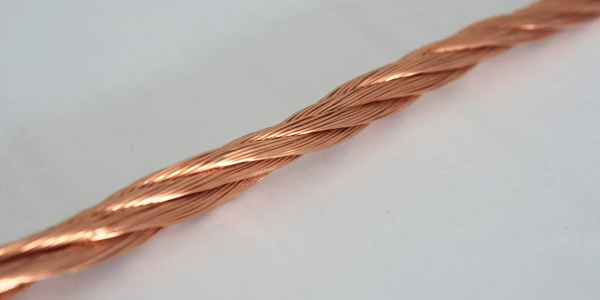
Copper is reddish-brown when clean and turns green with age. You'll find it as water pipe, refrigeration tubing, electrical wire and motor windings. Also keep pipe and wire in separate piles. Insulated wire raises its own question about stripping, which our guide to copper wire recycling answers in full. The short answer is that you don't need to strip wire to recycle it.
Brass and bronze
Brass is yellow-gold, heavy and non-magnetic. Faucets, valves, plumbing fittings, door knobs, lamp bases and decorative pieces are the common items. Bronze, however, is darker and browner, and turns up as bearings, statues and boat fittings. Many brass items have steel screws or springs inside. Take them out if it's quick, and otherwise leave them.
Lead
Lead is dull gray, soft enough to scratch with a key and very heavy. For example, wheel weights and old roof flashing are the usual household finds. Wear gloves when you handle it and wash your hands afterwards. A lead-acid car battery is a battery, not scrap lead, so keep it out of the metal pile and handle it as a battery.
Metal from electronics and office clear-outs
As an electronics recycler, we see a lot of metal that arrives with e-waste. Server racks, computer cases and chassis, heat sinks, metal frames, shelving and cabinets are all on our scrap metal list. Most of this is steel, but with aluminum heat sinks and copper inside power supplies. Racks and cases often come with electronics still inside, which is fine, because we recycle the electronics and the metal in the same trip. Anything that stores data (hard drives, laptops, servers with drives still in them) goes through our data destruction process, which wipes and destroys data by default.
How to sort scrap metal
Once you can name the types of scrap metal, sorting takes less time than people expect. A magnet, a pair of gloves and a few boxes or buckets are enough.
- Test every piece with a magnet. Try a bare spot, not paint.
- Make two piles. Magnet sticks in one, magnet doesn't stick in the other.
- Split the non-magnetic pile by color. Silver-gray is usually aluminum or stainless, reddish is copper, yellow is brass.
- Keep wire and cable separate from pipe and sheet metal.
- Set aside anything that holds or held gas, fuel, oil or refrigerant, and anything with a battery.
Step five matters most, whoever takes the metal, because it keeps fire and pressure risks out of the load. The other steps matter most at a buying yard, because yards grade and weigh each type separately.
At our Point Loma and Chula Vista centers, mixed metals are fine and there's no sorting needed. Our scrap metal recycling page has the full list. Even so, sorting at home still speeds up unloading, and it helps you spot the items that can't come in at all.
How to prepare scrap metal for recycling
Whatever types of scrap metal you have, a little prep makes a load safer to move and quicker to drop off. So do what's easy and leave the rest.
- Drain any liquids. Water in a radiator or pipe adds weight and makes a mess.
- Remove plastic, wood, rubber and glass where it comes off without a fight.
- Take batteries out of tools, toys, e-bikes and electronics, and tape the terminals.
- Cut long pieces to a length you can lift safely, using the right saw or cutter.
- Bundle wire, and bag small parts like screws, fittings and handles.
- Never cut into anything that held fuel or gas.
If an item is too heavy to lift safely, don't try. Instead, our team helps unload at the recycling centers, and large commercial loads can be collected from your site.
What scrap metal recyclers won't take
Some items look like ordinary types of scrap metal but can't go in a normal load. In fact, most refusals come down to fire, pressure or chemicals. These are the items we turn away, with the reason for each.
- Gas cylinders and canisters (propane, CO2, oxygen). We don't accept them unless they're emptied, depressurized and cut in half. A sealed cylinder can still hold gas and can explode when crushed or cut.
- Pressurized tanks of any kind, for the same reason.
- Anything holding fuel or oil, such as a mower or generator with a full tank. Fuel is a fire risk and counts as hazardous waste.
- Vehicle bodies. These go to an auto dismantler.
- Hazardous liquids such as paint, chemicals and solvents.
- Damaged batteries that are loose, swollen or leaking.
Appliances that use refrigerant (fridges, freezers, AC units, dehumidifiers) are a special case, covered in the safety section below. Batteries also need their own route, and our guide on how to dispose of batteries in California explains each type.
Unsure about an item? Then call before you load it, since a two-minute call saves a wasted trip.
Scrap metal safety
Scrap has sharp edges, rust and weight. Wear thick gloves, closed shoes and eye protection when you cut. Lift radiators, cast-iron tubs, safes and engine parts with two people, or use a dolly.
Refrigerant appliances. Fridges, freezers, window and portable AC units and dehumidifiers hold refrigerant. Under the EPA Section 608 disposal rule, the final person in the disposal chain must make sure the refrigerant is recovered first. They can also accept a signed statement giving the name and address of whoever recovered it and the date. As a result, a recycler may ask how the refrigerant was handled. Our guide to getting the refrigerant removed explains what's involved, and our guide to appliances with metal parts covers washers, dryers and water heaters.
Batteries. Lithium batteries in cordless tools, e-bikes and electronics can catch fire when a load is crushed or dropped. So take them out before metal goes in a bin or truck, and tape the terminals. Batteries still inside a device are fine to bring to us. However, we don't take damaged batteries loose. Take loose, swollen or leaking batteries to the City of San Diego Miramar Recycling Center, by appointment through the City's website.
Lead and old paint. Wear gloves with lead and with old painted metal, and wash your hands before eating.
Where to recycle scrap metal
You have three realistic routes for all types of scrap metal. First is curbside, but it's narrow. The City of San Diego blue bin takes metal containers, and it lists wires and cords as "tanglers" to keep out. As a result, pipe, pans, wire and frames don't go in it.
A buying scrap yard is the second route. Yards pay by grade and weight, so sorting pays off there. Before you go, call ahead to ask what they take and how they want it sorted.
Finally, the third is a recycler that takes metal free. Dream E-Waste offers free scrap metal recycling at our recycling centers in Point Loma (4009 Hicock St STE D) and Chula Vista (819 Anita St). Both are open Monday to Saturday, 8:00 AM to 4:00 PM, with no appointment needed. However, our San Marcos center and our Miramar, Kearny Mesa and Oceanside drop-off locations don't take scrap metal. A small fee applies to large appliances, listed on our appliance recycling page.
Other materials we cover in this guide
Metal is often only part of a clear-out. For example, deliveries leave pallets, and the stamps on them tell you how the wood was treated. Our pallet recycling page explains which pallets we take. Soft plastic is also a common leftover, and our guide to plastic bag recycling explains why bags and film stay out of the blue bin. You'll find the rest of this series in our scrap metal, pallets and plastic section.
Clearing a garage or a server room?
Bring the metal to Point Loma or Chula Vista as it is, and our team will help unload. For a large load from a business or job site, ask about collection through our scrap metal service. But call first about anything that held gas, fuel or refrigerant.
Frequently asked questions
Is stainless steel ferrous or non-ferrous?
Stainless steel is ferrous, because it's made with iron. It still confuses people, because many stainless steels are barely magnetic and a magnet may slide off. So use weight and shine as clues instead. Stainless is heavy and bright, while aluminum is much lighter for the same size.
Can I put scrap metal in my blue bin?
Only metal food and drink containers. The City of San Diego blue bin takes metal containers, and it lists wires, cords and hoses as tanglers that jam sorting machines. Pipe, pans, tools, frames and wire, however, need a scrap recycler or a buying yard instead.
Do I need to sort metal before dropping it off?
Not at our Point Loma or Chula Vista centers. Mixed metals are fine there, and our team helps unload. Buying yards usually grade metal by type, so sorting matters more if you plan to sell. In either case, set aside anything with gas, fuel, refrigerant or batteries.
Can I scrap an old fridge or AC unit?
Only after the refrigerant has been recovered. Federal EPA rules make the final person in the disposal chain responsible for checking that it was removed, or for keeping a signed statement from whoever recovered it. Our Point Loma and Chula Vista centers take large appliances, and a small fee applies.
Are propane tanks and gas cylinders scrap metal?
Not while they're sealed. We don't accept gas cylinders or canisters (propane, CO2, oxygen) unless they're emptied, depressurized and cut in half. A sealed cylinder can still hold gas under pressure. So ask your propane supplier what to do with an old tank before you bring it anywhere.