Lithium ion battery recycling starts with collection and sorting. Recyclers then discharge the batteries, shred them into a powder called black mass, and smelt it or dissolve it in chemicals to recover metals such as cobalt, nickel and lithium for new batteries. At home, tape the terminals and take them to a battery drop-off, never the trash.
This guide follows a battery from the drop-off counter to metal recovery, using the US EPA as the main source. Then it covers how to prepare your own batteries and where to take them in San Diego County. For the rules on every other battery type, see how to dispose of batteries in California.
How lithium-ion battery recycling works, step by step
The EPA describes lithium-ion battery recycling as a series of stages. Not every battery goes through every one, and facilities differ, but the order is broadly the same.
- Collection and sorting. Drop-off sites, stores and recyclers collect consumer electronics, loose batteries and devices with batteries inside. Staff identify and sort them, and often ship them between facilities for the next stages. Sorting by chemistry happens early, because lithium-ion batteries don't go to the same place as alkaline or nickel ones.
- A check for repair or reuse. Before anyone breaks a battery down, a facility may repair or repurpose some packs or modules. A pack that still has useful life can do another job. The EPA lists this as its own step, ahead of recycling.
- Discharge. Next, the facility discharges the batteries, or manages them another way, so they don't catch fire during breakup. Otherwise, a battery that still holds charge can short circuit and overheat once someone opens its case. Trained staff with the right equipment handle this step. You don't need to drain a battery before you drop it off.
- Shredding. Then machines shred the batteries. The EPA says this produces black mass, along with copper and aluminum foils, separators, plastics, steel cans and electrolyte. The facility separates those streams so each can go on to the right place.
- Metal recovery. Black mass goes to a facility that recovers the valuable metals, in the EPA's words "like cobalt, nickel, and sometimes lithium." Recovered materials can go back into new batteries. The method a facility uses decides which metals come back, as the next section explains.
What is black mass?
Black mass is the dark powder left after shredding, once the recycler has removed larger pieces such as foils and casings. In fact, it holds the active materials from the battery's electrodes. The EPA puts it simply: black mass contains the materials that processors can turn into new battery cathodes and anodes. That makes it the most valuable output of the shredding stage.
Pyrometallurgy vs hydrometallurgy, and direct recycling
Once a recycler has black mass, there are two main ways to get the metals out, plus a newer third method. The EPA describes all three. The names sound technical, but the ideas are simple.
| Method | How it works | What it can recover, per the EPA |
|---|---|---|
| Pyrometallurgy | Uses high heat to smelt the material | Generally cobalt and nickel |
| Hydrometallurgy | Uses liquid chemicals to leach the metals out so they can be separated | May recover cobalt, nickel, lithium and manganese |
| Direct recycling | Recovers cathode material without breaking it down into separate metals | Saves energy by preserving the cathode structure. Used at a smaller scale so far. |
In plain terms, pyrometallurgy melts, hydrometallurgy dissolves, and direct recycling tries to keep the most valuable part of the battery in one piece. For a household, the method doesn't change what you do at home. It does explain why sorting by chemistry happens so early in the chain.
Research into better methods is ongoing. The US Department of Energy's Vehicle Technologies Office set up the ReCell Center at Argonne National Laboratory. It's a collaboration of industry, universities and national laboratories that works on battery recycling and on reusing electrode materials.
Do lithium-ion batteries really get recycled?
They do, when they reach a collection point. The weak link is almost always the first step. For example, a battery in the trash never reaches a recycler, and neither does one that sits in a kitchen drawer for 10 years.
Once you hand a battery in, the collector sorts it by chemistry and sends it on to a processor set up for that type. That's also why the EPA asks people to pick a certified recycler. Ideally, you want a collector that knows where its batteries go next and can show you how it handles them.
Why lithium batteries can't go in the trash or recycling cart
The EPA says most lithium-ion batteries on the market are likely to be hazardous wastes when they're thrown out, because they can be ignitable and reactive. Recycling keeps them out of garbage and recycling systems, where a crushed battery can start a fire in a truck or a sorting facility.
California goes further than federal rules. Batteries are universal waste under state regulations (22 CCR 66273.1), and CalRecycle bans all batteries from household trash, rechargeable and single-use alike. That includes the lithium coin cell in a car key and the pack in a cordless drill.
How to recycle lithium batteries from home
You don't need special gear to recycle lithium-ion batteries. A roll of tape and a few plastic bags will do.
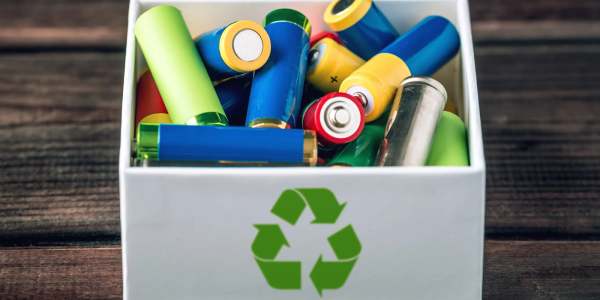
- Tape the terminals with non-conductive tape, such as electrical tape, or put each battery in its own plastic bag. The EPA suggests either.
- Leave built-in batteries inside phones, laptops, tablets and electric toothbrushes. Bring the whole device.
- Store them somewhere cool and dry, away from anything that can burn, until drop-off day.
- Don't try to drain, open or repair a battery before you bring it in.
For somewhere to take them, The Battery Network, formerly Call2Recycle, has a drop-off locator on its website. City of San Diego residents can book a free household hazardous waste appointment. An e-waste recycler is the other option, and the only one of the three that takes the whole device.
You can drop off lithium-ion batteries free at our Point Loma, Chula Vista or San Marcos recycling centers, with no appointment needed. Household amounts are fine. For a large amount, get our manager's approval first. Our Miramar, Kearny Mesa and Oceanside drop-off locations take electronics only, not loose batteries.
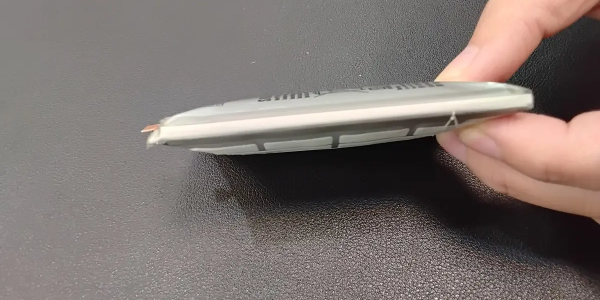
A battery that's swollen, hot, leaking or damaged is a different case. Don't put it in a drop-off box or bring it in loose. Read what to do with a swollen lithium battery first.
What happens to the batteries we collect
We work at the front of the chain. Our job is to collect, sort and prepare batteries safely. Metal recovery happens later, at a specialist downstream processor.
At our recycling centers, staff sort batteries by hand and keep single-use batteries apart from rechargeable ones. Devices come in whole, and our technicians remove the batteries under controlled conditions. Also, we wipe and destroy every device that stores data, such as a phone or laptop, by default.
We're R2v3 certified, and our California e-waste recycler ID is CEWID 127772.
How to pick a responsible battery recycler
The EPA suggests choosing a recycler certified to one of two standards, SERI's R2 Standard or e-Stewards. Ask to see the certificate. A good recycler will also tell you plainly what it takes, what it refuses and why.
Lithium battery recycling for laptops, phones and tools
Laptop, phone and cordless tool batteries are lithium-ion too, so they go through the same process once they reach a processor. The difference is in how they reach the counter.
To recycle a laptop battery that's sealed inside the case, leave it in and bring the laptop. The same goes for phones and tablets. That's because prying out a glued-in battery can bend or puncture it, and a damaged lithium battery is a fire risk.
However, removable laptop packs and power tool batteries can come in loose. Tape the contacts first. Also, we take cordless tool packs from every brand, lithium-ion or nickel.
Electric car and home storage batteries
EV battery recycling uses the same chemistry at a much bigger scale. For large lithium-ion batteries in vehicles or energy storage systems, the EPA says to contact the manufacturer, automobile dealer or company that installed the battery.
Not every used EV pack goes straight to a shredder. The EPA's recycling page covers repair and repurposing as a step before recycling, which is how some vehicle packs get a second life.
Home storage batteries, by contrast, usually come out with the rest of a solar system. Solar panels have their own recycling route, explained on our solar panel recycling page.
Car, marine and other large battery packs need approval before drop-off at Dream. Call (619) 889-1305 with the type, quantity and condition first.
What's changing for lithium battery recycling in California
Since 1 January 2026, a state fee applies when you buy many products with a battery that isn't designed to be easily removed. Loose batteries you buy on their own are not subject to it, according to CalRecycle.
Under the Responsible Battery Recycling Act of 2022, battery producers will fund collection of covered loose batteries. CalRecycle says the regulations are still in development, and its last workshop was on 16 June 2026. There's no start date yet.
At the federal level, the EPA says it plans to propose new universal waste rules for lithium batteries. That's a plan, not a final rule, so the current California rules are the ones that apply.
Next step
Tape the terminals, bag each pack, and leave built-in batteries in their devices. Then bring the lot to a battery drop-off or one of our recycling centers. Lithium-ion battery recycling starts the moment you hand them over.
Frequently asked questions
Can lithium-ion batteries be fully recycled?
Recyclers can recover many of the materials in a lithium-ion battery, but how much depends on the method. The EPA says pyrometallurgy generally recovers cobalt and nickel, while hydrometallurgy may also recover lithium and manganese. Shredding also separates copper and aluminum foils, steel cans and plastics. We don't quote recovery percentages, because published figures vary.
Is lithium-ion battery recycling free?
Often, yes. Many drop-off sites take rechargeable batteries at no charge. At Dream E-Waste, lithium-ion batteries are free at our Point Loma, Chula Vista and San Marcos recycling centers, and so are devices with batteries inside. City of San Diego residents can also use the City's household hazardous waste facility for free, by appointment.
Should I discharge a lithium battery before recycling it?
No. Trained staff at the recycling facility do the discharging with the right equipment. At home, your job is to tape the terminals or bag each battery on its own, then store the batteries somewhere cool and dry until drop-off. Don't try to open, drain or repair a lithium-ion battery yourself.
Are alkaline batteries recycled the same way?
No. Alkaline batteries have a different chemistry, so collectors sort them apart from lithium-ion batteries and send them to a separate process. In California, alkaline batteries are still banned from the trash. At Dream E-Waste, a small fee applies to single-use batteries, while rechargeable and lithium-ion batteries are free to drop off.
What happens to the rest of an old laptop or phone?
When you bring us a whole laptop or phone, our technicians remove the battery, then wipe and destroy the data by default. Next, the rest goes through our R2v3 certified process. Our laptop recycling page explains what we take and how to prepare a laptop for drop-off.