
How to dispose of batteries in California comes down to one rule. No battery goes in the trash or the recycling cart, alkaline AAs included. State rules treat discarded batteries as hazardous waste. Tape the ends of lithium, 9-volt and button batteries, bag them, and take them to a battery drop-off, a household hazardous waste facility or a recycler.
This guide sorts every common battery type and shows where each one goes in San Diego County. We're a recycler, not a government agency, so the rules below come from CalRecycle, the US EPA and the City of San Diego.
Can you throw batteries in the trash in California?
No. CalRecycle lists all batteries as banned from the trash, from AAA, AA, C and D cells to button cells, 9-volts and every other kind, rechargeable and single-use alike. The City of San Diego says the same thing on its battery recycling page. All types of batteries are considered hazardous waste in California, and they aren't allowed at the landfill.
The ban covers your blue recycling cart too. That's because a battery in the recycling cart rides to a sorting line, gets dropped and squeezed, and is one of the items those lines are least able to handle.
In California, batteries are part of a group called universal waste. That's hazardous waste common enough in homes and businesses that it gets simpler handling rules than industrial chemicals. For a household, the way to dispose of batteries in California is easy to follow. Keep batteries out of every bin and take them to a collection point. Businesses have extra duties around storage, labels and time limits, explained in our guide to universal waste rules for businesses.
Can you throw alkaline batteries in the trash in California?
No. Many national articles say alkaline batteries can go in the trash because most states allow it, but California is stricter and bans every battery type from household garbage. So you dispose of alkaline batteries the same way as lithium ones.
Why batteries in the bin start fires
"Even used batteries can have enough energy to injure or start fires," the US EPA warns. CalRecycle adds that batteries cause fires with worker injuries in sorting and recycling facilities. In fact, a battery that feels dead to you can still hold plenty of charge.
Think about the trip a battery takes once it leaves your kitchen. To begin with, a garbage truck compacts everything it picks up. Then, at the sorting facility, the load is tipped, pushed and shaken again. If a lithium battery gets crushed or punctured, or its terminals touch a piece of metal, it can short circuit and heat up.
That heating can turn into thermal runaway. This is when a battery's own heat triggers reactions inside it that make even more heat, until it vents smoke or catches fire.
The fix costs nothing. To dispose of batteries in California safely, keep them out of the bin, tape the risky ones and bring them to a drop-off in a sturdy container.
Where to dispose of batteries in California, type by type
Use this table to sort a mixed drawer of batteries. None of these types can go in the trash. To dispose of batteries in California correctly, you only need to know how to prepare each one and where to take it.
| Battery type | Examples | How to prepare it | Where it can go in San Diego County |
|---|---|---|---|
| Single-use alkaline | AA, AAA, C, D, 9-volt, lantern batteries | Tape the terminals of 9-volts. Bag the rest together. | City household hazardous waste facility, Battery Network drop-off sites, Dream recycling centers (small fee) |
| Lithium coin and button cells | CR2032, watch, key fob and hearing aid batteries | Tape each one. Keep them well away from children. | Same routes as alkaline batteries |
| Single-use lithium AA and AAA | Cells with the word lithium on the label | Tape the ends. Keep them apart from alkaline cells. | Same routes as alkaline batteries |
| Rechargeable nickel batteries | NiMH and NiCd AA and AAA cells, cordless phone packs | Tape the ends. | Battery Network sites, City facility, Dream recycling centers (free) |
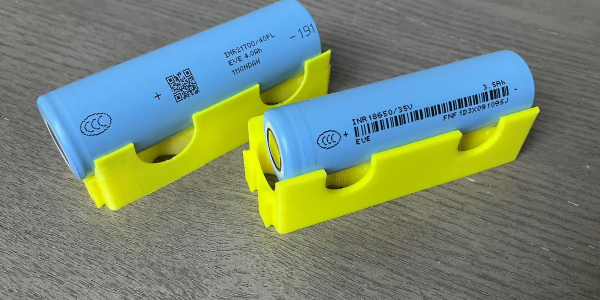
| Lithium-ion packs | Phone, laptop, camera, drone and power tool batteries | Tape the terminals and bag each pack on its own. | Battery Network sites, City facility, Dream recycling centers (free) |
Lithium-ion packs from phones, laptops and tools are the ones to handle with the most care. If you're curious what happens to them after drop-off, our guide to lithium-ion battery recycling follows a pack from the counter to metal recovery.
Built-in, large and damaged batteries
| Battery type | Examples | How to prepare it | Where it can go in San Diego County |
|---|---|---|---|
| Built into a device | Phones, earbuds, laptops, electric toothbrushes, toys | Leave the battery in the device. | An e-waste recycler such as Dream, which takes the whole device |
| E-bike and e-scooter packs | Removable e-bike or scooter batteries | Check for damage before you move it. | Dream recycling centers take the whole bike or scooter if the battery is removable |
| Car and other lead-acid batteries | Car, truck, motorcycle and marine batteries | Call before you bring it. | City facility, or Dream after you call first |
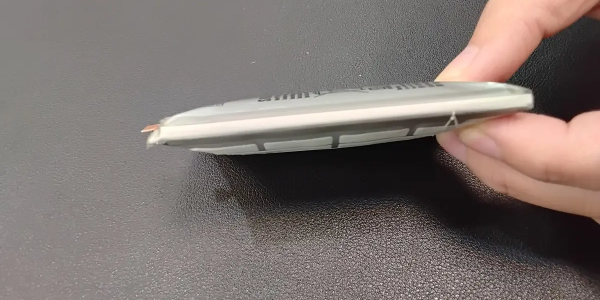
| Swollen, leaking or damaged | Any type that bulges, leaks, smells or is cracked | Bag it alone. Never put it in a drop-off box. | City of San Diego Miramar Recycling Center, by appointment |
Fees and booking rules for each route are in the drop-off section further down.
How to tell which battery you have
Check the label first. Most batteries print their chemistry somewhere on the case, even if the print is tiny. If the print is faint, a phone flashlight and a minute of squinting usually settles it.
- Lithium or Li-ion: a lithium battery. Phone, laptop, camera and cordless tool packs are usually lithium-ion.
- NiMH or NiCd: rechargeable nickel batteries, often in AA and AAA sizes.
- Rechargeable: most rechargeable cells say so on the label.
- Pb: the symbol for lead, found on lead-acid car, motorcycle and backup batteries.
- A code starting with CR: a lithium coin cell, like the CR2032 in many key fobs.
- Alkaline: the everyday single-use AA, AAA, C, D and 9-volt cells.
The EPA points out that single-use lithium AA and AAA batteries can look just like alkaline ones. Look for the word lithium on the label before you bag them together.
Still not sure? In that case, bag that battery on its own and ask at the counter. Recyclers sort by chemistry every day, so a mystery battery is no trouble.
Do you need to tape batteries for recycling?
Tape the terminals of lithium, 9-volt and button batteries, and any battery with exposed contacts. Tape stops the ends touching each other, or a coin or paper clip, and that contact is what causes a short circuit.
The EPA suggests non-conductive tape, such as electrical tape, over a lithium-ion battery's terminals, or a separate plastic bag for each battery. The City of San Diego also suggests clear tape over the terminals for an extra measure of safety.
For most homes, a simple routine such as this one works well:
- Sort batteries by type as they come out of devices.
- Tape the terminals of lithium, 9-volt and coin cells.
- Put each lithium-ion pack in its own plastic bag.
- Keep everything in a plastic tub or cardboard box, not a metal tin.
- Keep the box out of direct sun and out of a hot car until drop-off day.
Can you use Scotch tape?
Use clear packing tape or electrical tape. Clear tape is what the City of San Diego names, while electrical tape is what the EPA mentions. Whatever you use, cover the metal contact completely and press the edges down so the tape stays put in the box.
How to store batteries at home until drop-off
Most people collect batteries for a few months before making a trip. That's fine, as long as they're stored well in the meantime.
- Sort them by type, keep them dry and keep them out of reach of children, as the City of San Diego advises.
- Use a zip-lock bag or a plastic container with a lid.
- Store them at room temperature when you can, away from anything that can burn, according to the US Fire Administration.
- Keep them out of direct sunlight and out of hot cars.
- Don't drop loose batteries in a drawer with keys, coins or tools.
- Tape lithium, 9-volt and coin cells as they go into the container, not on drop-off day.
For example, a labeled tub in the garage or by the back door makes the habit easy. When it's full, it's time for a trip.
How to dispose of swollen, leaking or damaged batteries
Stop using it, don't charge it, and keep it away from anything that can burn. Also, don't put it in a store drop-off box. The Battery Network says damaged batteries can't go in its collection boxes.
The City of San Diego says to place a damaged or leaking battery in its own plastic bag, away from other batteries, and to wear gloves while you handle it.
We don't accept loose damaged, swollen or leaking batteries at any of our locations. However, a swollen battery still installed inside a device is different, and we take the whole device. For a loose damaged battery, book an appointment at the City of San Diego Miramar Recycling Center through the City website. Our guide on how to dispose of a swollen battery covers each step in more detail.
Where to dispose of batteries in San Diego County
There are several good routes. The best one depends on where you live, what you have and how much of it there is.
| Route | Who can use it | What it takes | How to use it |
|---|---|---|---|
| City of San Diego Household Hazardous Waste Transfer Facility, at the Miramar Landfill | City of San Diego residents | Household batteries and other household hazardous waste. Not business waste or electronics. | Free. Book an appointment at sandiego.gov/HHW. Open Wednesdays and Saturdays, 9 a.m. to 3 p.m. |
| Battery Network drop-off sites | Anyone | Loose household batteries in good condition. They refuse damaged batteries. | Find a site with the locator at batterynetwork.org. |
| WasteFreeSD.org | People outside the city of San Diego, or with items the City doesn't take | A county directory of other drop-off options | Search online by item and address. |
| Dream E-Waste recycling centers in Point Loma, Chula Vista and San Marcos | Households and businesses | All household battery types, and devices with batteries inside. No loose damaged batteries. | No appointment. Rechargeable batteries are free. A small fee applies to single-use batteries. |
The City's household hazardous waste facility added Wednesday hours in September 2026, so it's open two days a week now. You stay in your car while staff unload, according to the City announcement.
Dropping off batteries at Dream
At Dream, we take batteries at our three recycling centers only. Point Loma and Chula Vista are open Monday to Saturday, 8:00 AM to 4:00 PM. San Marcos is open Monday to Friday, 9:00 AM to 4:00 PM, and Saturday, 10:00 AM to 2:00 PM. Our Miramar, Kearny Mesa and Oceanside drop-off locations take electronics only, so please don't bring loose batteries there.
Household amounts of any battery type are fine without calling ahead. For a large amount, such as boxes from an office clean-out, get approval from our manager first. Rechargeable batteries are free, but a small fee applies to single-use batteries. You can check the details and recycle batteries at our San Diego, Chula Vista or San Marcos locations.
Bag single-use and rechargeable batteries separately before you come. As a result, check-in goes faster.
Batteries inside phones, toys and vapes
Leave a built-in battery where it is. Instead, bring the whole phone, laptop, electric toothbrush or toy. Prying out a glued-in lithium battery can bend or puncture it, and a damaged lithium battery is a fire risk.
Most battery drop-off bins take loose batteries only, so they turn devices away. We accept devices with batteries inside at our recycling centers, and our technicians remove the battery under controlled conditions. We also wipe and destroy any data-storing device by default.
Disposable vapes and power banks hold lithium batteries too. So they can't go in the trash for the same reason as any other battery.
E-bike and scooter batteries
E-bike and e-scooter packs hold far more energy than a phone battery. Look the pack over for swelling, cracks, burn marks or crash damage before you move it. If you find any, treat it as a damaged battery and follow the steps above.
If the pack is healthy and removable, we take the whole e-bike or scooter at our recycling centers. You'll find the fee on our bicycle and e-bike recycling page. If the battery is built into the frame, call us at (619) 889-1305 before you bring it in.
Other items with the same rules
Fluorescent tubes and CFL bulbs are on CalRecycle's list of items banned from the trash too. We take unbroken fluorescent tubes and bulbs at our Point Loma and Chula Vista recycling centers. Note that a small fee applies, shown on our fluorescent bulb recycling page.
Old electronics follow a similar rule, and many of them can't go in the trash in California either. If you're unsure about a gadget, read our explainer on whether electronics can go in the trash.
What changed for batteries in California in 2026
Since 1 January 2026, California charges a fee when you buy many products with a battery that isn't designed to be easily removed. Retailers collect it at checkout, and the California Department of Tax and Fee Administration sets out how it's calculated. The change comes from SB 1215, which brought these battery-embedded products into the state's electronic waste recycling program.
Loose batteries you buy on their own are not subject to that fee, according to CalRecycle. So a pack of AAs costs the same as before.
A second change is still on the way. Under the Responsible Battery Recycling Act of 2022, battery producers will fund collection of loose batteries. CalRecycle says the regulations are still in development, and it held a public workshop on 16 June 2026. There's no start date yet, so for now, dispose of batteries in California through the routes in this guide.
Business batteries in California
Businesses that dispose of batteries in California follow different rules, and they can't use the City's household hazardous waste facility. In fact, business waste is on its list of items not accepted.
Offices, shops and property managers also have storage, labeling and time-limit duties for batteries under California law. Our California e-waste law guides explain them in plain terms.
We take business batteries at our three recycling centers. For example, a small box from the break room is a household-sized amount. For anything bigger, contact us first so a manager can approve the load before you make the trip.
Next step
Pick a container, sort and tape as batteries come out of devices, and drop the box off when it's full. For bulbs, vapes and other tricky items, browse our batteries, bulbs and universal waste guides.
Frequently asked questions
Can I put batteries in my blue recycling cart?
No. In California you can't dispose of batteries in the trash or the recycling cart, according to CalRecycle and the City of San Diego. A battery in the recycling cart can be crushed in the truck or on a sorting line and start a fire. Bag them and take them to a battery drop-off, the City's household hazardous waste facility or a recycler instead.
How do I dispose of CR2032 coin batteries?
Tape both sides of a CR2032 coin battery with clear or electrical tape, then bag it with your other small batteries. Keep coin cells well away from children while you store them. Take them to a Battery Network drop-off site, the City's household hazardous waste facility or a battery recycler. They're single-use lithium cells, so a small fee may apply at some recyclers.
Do I need to tape AA batteries before recycling?
Taping AA batteries isn't something the City requires, but it's a safe habit. The City of San Diego suggests clear tape over battery terminals for an extra measure of safety. Taping matters most for lithium, 9-volt and coin batteries, which can short circuit more easily. If your AAs are lithium, tape them as well.
Is battery recycling free in San Diego?
It can be. The City's household hazardous waste facility is free for City of San Diego residents, by appointment. At Dream E-Waste, rechargeable and lithium-ion batteries are free, and devices with batteries inside are accepted. A small fee applies to single-use batteries such as alkaline and coin cells, listed on our battery recycling page.
Can I drop off batteries at Dream's Miramar, Kearny Mesa or Oceanside locations?
No. Those three drop-off locations take electronics only. Batteries are accepted at our Point Loma, Chula Vista and San Marcos recycling centers, with no appointment needed. If a battery is still inside a laptop or phone, bring the whole device to one of the recycling centers so staff can remove the battery safely.
How many batteries can I bring at once?
Household amounts of any battery type are fine at our three recycling centers, with no need to call. For a large amount, such as boxes of batteries from an office or a workshop, get approval from our manager first. Car, marine and other large batteries need a call before you bring them, whatever the quantity.