E-Waste Health Effects and Why Proper Disposal Matters
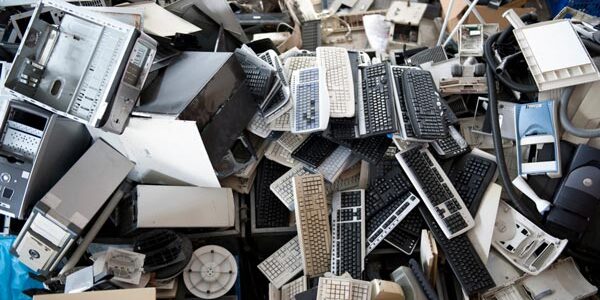
In our fast-paced digital age, electronic devices have become indispensable in both personal and professional spheres. Smartphones, computers, tablets, and a myriad of other gadgets are constantly being updated and replaced. This relentless cycle leads to a
mounting problem: electronic waste, or e-waste. While much attention is given to the
environmental consequences of improper e-waste disposal, the direct impact on human health is often overlooked. Understanding how e-waste affects our well-being underscores the critical importance of responsible disposal practices.
The Composition of E-Waste: A Toxic Cocktail
E-waste comprises
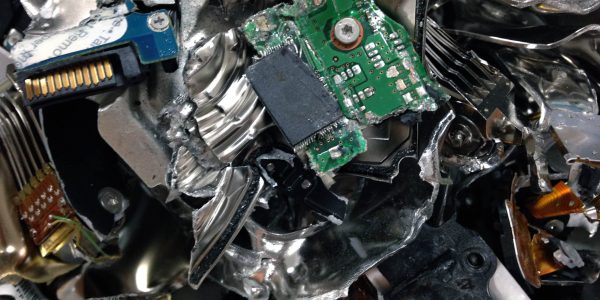
discarded electronic appliances that are no longer useful or wanted. These devices contain a complex mix of materials, including:
- Heavy Metals: Lead, mercury, cadmium, and arsenic.
- Flame Retardants: Brominated flame retardants used in circuit boards and plastic casings.
- Persistent Organic Pollutants (POPs): Substances that remain in the environment for long periods.
When not disposed of properly, these hazardous materials can leach into the environment, leading to significant health risks.
How E-Waste Affects Human Health
Exposure Pathways
Humans can be exposed to toxic components of e-waste through:
- Inhalation: Breathing in fumes from burning e-waste.
- Ingestion: Consuming contaminated water or food.
- Dermal Contact: Touching contaminated soil or materials.
Health Risks
- Neurological Damage
- Lead and Mercury Exposure: Can lead to cognitive impairments, developmental delays in children, and nervous system damage.
- Respiratory Issues
- Inhalation of Toxic Fumes: Burning e-waste releases harmful dioxins and furans, causing respiratory diseases.
- Cancer Risks
- Carcinogenic Substances: Exposure to certain heavy metals and chemicals increases the risk of various cancers.
- Reproductive Health
- Endocrine Disruptors: Chemicals like phthalates can affect hormonal balance, leading to reproductive issues.
- Kidney and Liver Damage
- Accumulation of Heavy Metals: Organs responsible for detoxification are adversely affected by prolonged exposure.
Global Impact: Vulnerable Communities at Risk
Informal Recycling Sectors
In many developing countries, informal recycling sectors handle the majority of e-waste without proper safety measures:
- Child Labor: Children are often involved in dismantling electronics, exposing them to high levels of toxins.
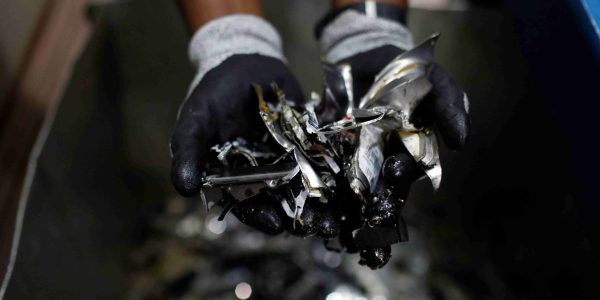
- Lack of Protective Equipment: Workers are unprotected against hazardous substances.
Environmental Justice Concerns
- Exporting E-Waste: Developed nations often ship e-waste to poorer countries, disproportionately impacting vulnerable populations.
The Importance of Proper E-Waste Disposal
Environmental Protection
- Preventing Contamination: Proper disposal prevents toxins from entering soil and water sources.
- Reducing Greenhouse Gas Emissions: Recycling materials reduces the need for raw material extraction, lowering emissions.
Health Safeguards
- Protecting Communities: Safe disposal methods minimize health risks for workers and nearby residents.
- Global Health Benefits: Reducing toxic exposure contributes to better overall public health outcomes.
Legal and Ethical Responsibility
How Dream E-Waste Contributes to Health and Safety
At
Dream E-Waste, we are committed to mitigating the health risks associated with electronic waste through:
- Secure Collection and Transportation
- Ensuring e-waste is handled safely from the point of collection to disposal facilities.
- Environmentally Sound Recycling
- Data Security
- Community Education
- Raising awareness about the importance of proper e-waste disposal and its impact on health.
What You Can Do: Steps Towards Responsible E-Waste Management
- Reduce and Reuse
- Extend Device Lifespan: Use electronics longer to reduce waste.
- Donate: Give functioning devices to others who may need them.
- Recycle Properly
- Advocate and Educate
- Spread the Word: Inform others about the health risks of improper e-waste disposal.
- Support Legislation: Encourage policies that promote responsible e-waste management.
Conclusion: A Collective Responsibility for Healthier Communities
The impact of e-waste on human health is a pressing concern that demands immediate attention. By understanding the risks and taking proactive steps to manage electronic waste responsibly, we can protect not only the environment but also the well-being of communities around the globe. Businesses, governments, and individuals all have a role to play in this critical endeavor.
At
Dream E-Waste, we are dedicated to providing solutions that prioritize health, safety, and environmental integrity. By choosing responsible e-waste disposal methods, you contribute to a healthier future for everyone.
Join us in making a difference. Contact Dream E-Waste today to learn how you can safely dispose of your electronic waste and protect human health.